










Professional Development

Increase Font Size Option 5 Reset Font Size Option 5 Decrease Font Size Option 5
Intensive Inventory Management Program
Program Overview

7S Process Group image

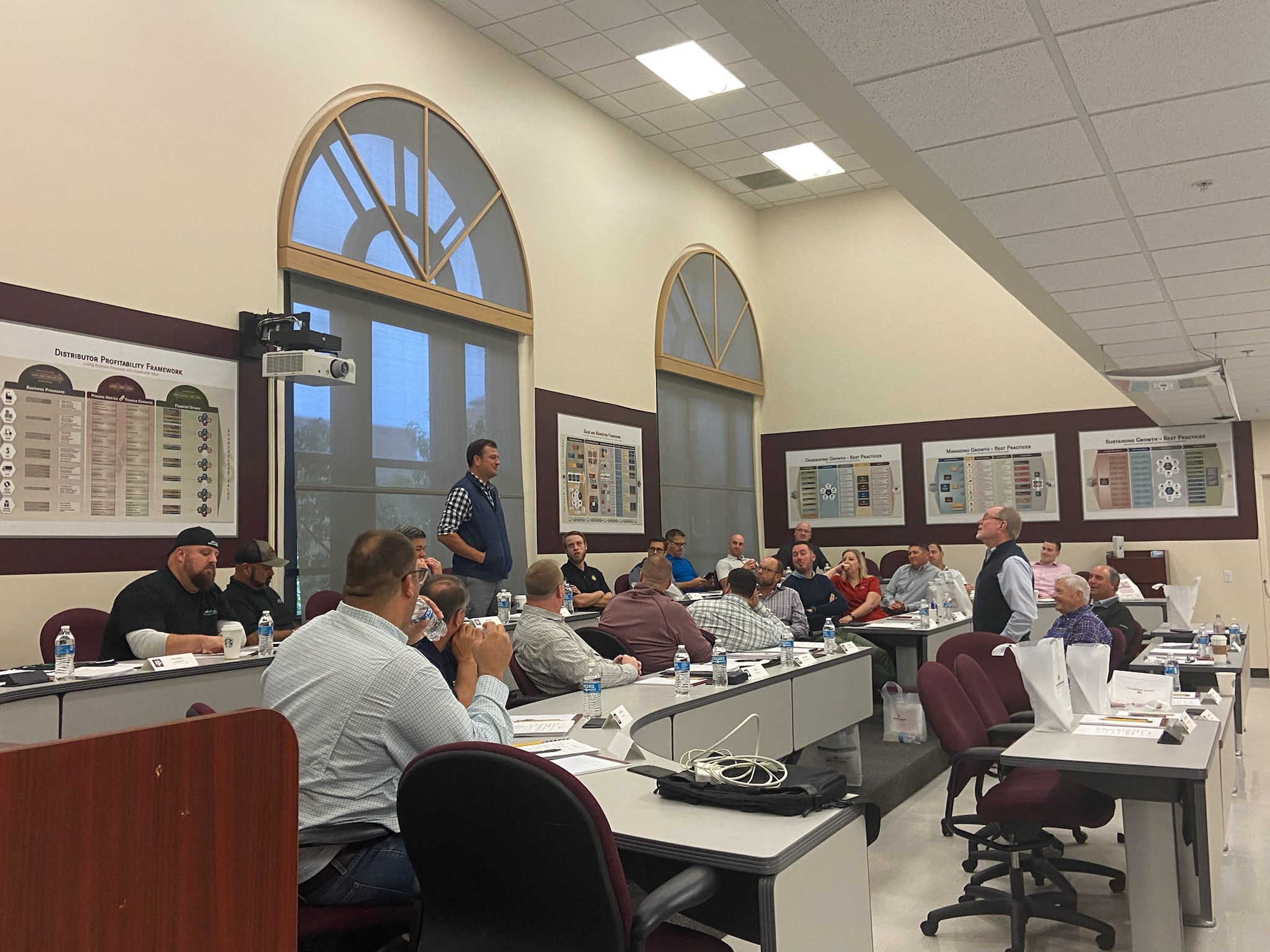
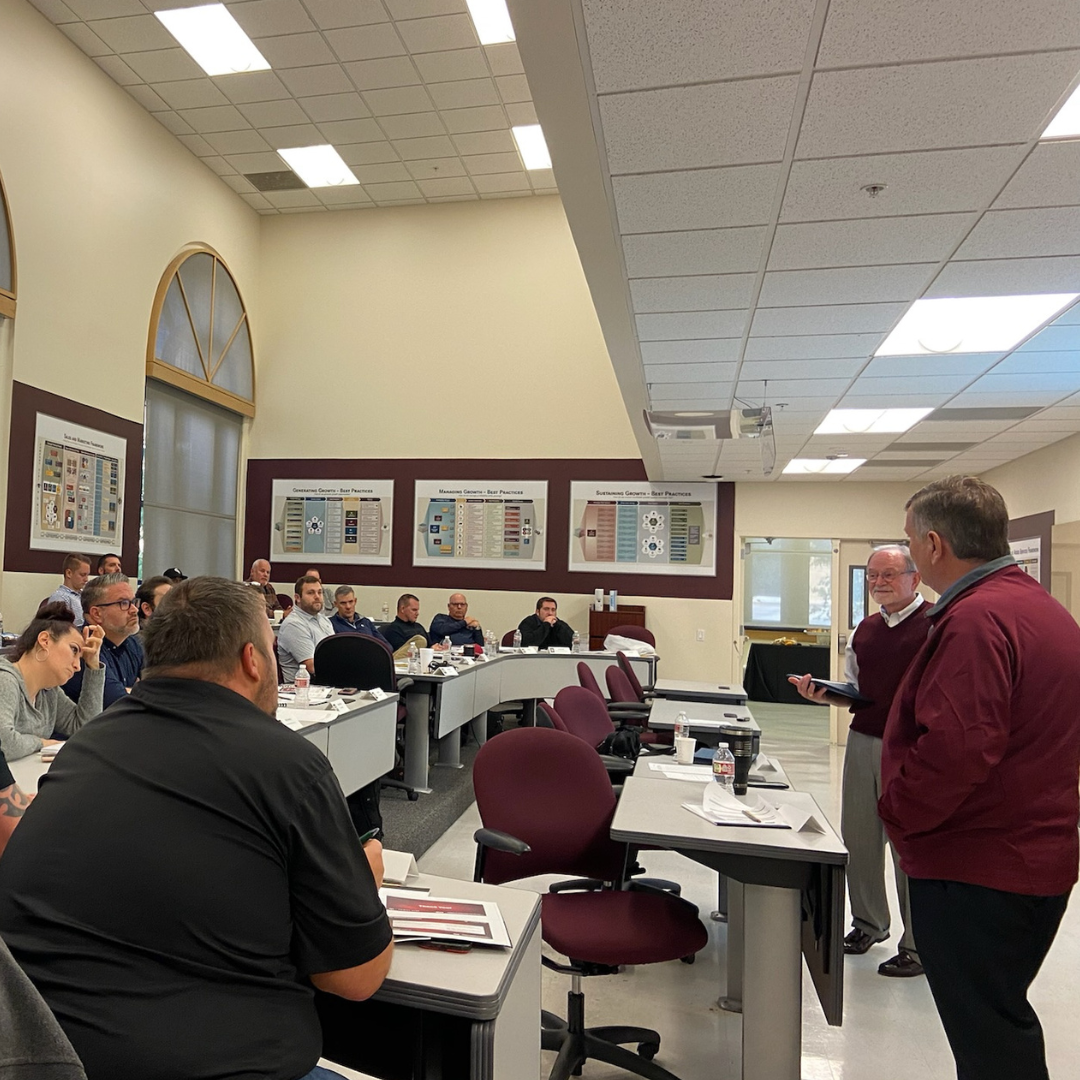
The Intensive Inventory Management Program deals with stock processes such as inventory stratification, forecasting and replenishment. Inventory stratification is the process of classifying items into a certain number of categories so that managing them day-to-day does not become unwieldy. The inventory stratification process is usually not well-defined or given due importance, and it often gets over-simplified. When appropriately used, it can play a pivotal role in defining policies and procedures for other inventory management processes such as forecasting and replenishment. Inventory stratification must be done prior to addressing other inventory/purchasing related processes because it acts as a sledgehammer and thereby places the company in a powerful position with a relatively quick return on investment. You will be exposed to various inventory stratification methods and taught how to leverage these results for forecasting.

Intensive Inventory Flow image
The program will demonstrate various forecasting methods, helping you understand the best method to use for your business setting. You will get hands on experience analyzing demand patterns, applying various forecasting methods and evaluating forecast error to choose the best method.

The program will also help you understand the concept of "What to order?" and "How to order?" for making replenishment decisions. Hands on sessions to decide the reorder point and reorder quantities will enhance your decision making process in your business.

You will also hear success stories and steps to implement inventory management best practices from industry experts from both business and IT perspectives. The STOCK exercise will walk you through the process of connecting inventory decisions to shareholder value through your financial statements. At the end of the program, you will be able to assess stock processes in your company and develop a plan of action to implement best practices right away.

Program Outline
  • Inventory Stratification
    • Methods
    • Policies
  • Forecasting
    • Demand Pattern Analysis
    • Methods
  • Replenishment
    • EOQ
    • Reorder Point
    • Policies
    • Service vs. Cost Matrix
  • Performance Assesment and Benchmarks
    • Process Assessment Framework
    • Process Assessment Workbook
    • Financial Benchmarking
      • Asset Efficiency, Cash Flow, Growth, Profitability
  • Stock Analyzer
    • Spreadsheet-based analyzer
    • Financial Statements
    • Critical Variables Input
    • Financial Metrics Output
  • Inventory Best Practices
    • Process Description
    • Common, Good and Best Practices
    • Methodology Description
    • Key Performance Indicators
  • Conclusion


Program Agenda

Day 1 Day 2 Day 3 Day 4 Day 5
Inventory Management
Overview
WORKING SESSION:
Inventory Stratification
WORKING SESSION: Forecasting WORKING
SESSION:
Replenishment/
Service vs. Cost Matrix
WORKING SESSION: Process assessment STOCK group
Key Performance
Indicators and EXERCISE
Attendees to Present
Results and Policies
Demand Pattern
Classification
Attendees to Present
Results
EXERCISE: Linking
Inventory Management
to Shareholder Value
EXERCISE: Inventory
Carrying Cost
Inventory Stratification -
Concluding Remarks
Replenishment policies Debrief and Discussion Inventory Management
Challenges and Benefits
Inventory Stratification Forecasting Exercise - Inventory
Stock Out Cost
Buy Decision - EOQ EXERCISE: Inventory
Management Recap
EXERCISE: Sample
Stratification Analysis
EXERCISE: Forecasting
Rounds - 1 & 2
Replenishment Policies -
Continued
GUEST LECTURE:
Inventory Management
Business Perspective
Discussions and
Questions
WORKING SESSION:
Data Preparation for
Inventory Stratification
Forecasting Continued EXERCISE: ROP GUEST LECTURE:
Inventory Management
IT Perspective
Certificate Presentation
Discussion and
Questions
Discussion and
Questions
CASE STUDY: Stock
group from Optimizing
Distributor Profitability
Discussions and Questions


Key Takeaways/Benefits

  • Reduce obsolescence and right-size inventory investments
  • Maximize your ROI on inventory while balancing customer service
  • Measuring forecast accuracy through focused forecasting
  • Optimize safety stock investment
  • Minimize total relevant cost
  • Manage item-level profitability
  • Effective use of IT and human resources

Who Should Attend

  • Inventory Planners/Coordinators
  • Inventory Managers
  • Purchasing Professionals
  • Anybody who manages inventory in your firm

Testimonials

"Through knowledge learned from the inventory management program, attended by all our management and key salespersons, we have reduced our total inventory levels by over 20%."
Brent A. Burns, Vice President, ISC Building Materials, LP

"We collaborated with Texas A&M on an inventory stratification project which has resulted in a successful classification of our inventory based on item level profitability. We have already seen a significant reduction in capital employed and expect to benefit from further decreases."
Kevin C. Reid, SAP Process Manager Procurement, ThyssenKrupp Materials, N. A.

"Texas A&M's research has allowed our company to continue to stay ahead of our competition and excel in customer service."
Tim Miller, Vice President-Operations, Security Contractor Services, Inc.

"I was impressed with the overall program at TAMU. When I look back to the program, I was impressed with the Item Stratification segmentation of Critical (A&B) Items and (C) items."
Randy Thomas, Regional Manager, Wilson Supply

Deliverables

Distributor Profitability Framework image Optimizing Distributor Profitability image
inventory mix image Deliverable image
Custom Process Assessment Report image 1Custom Process  Assessment Report image 2
Registration /
Program Dates

09-13 Sep 2013

Cost

US $5,000

Programs
Calendar


Inventory Management Brochure

Intensive Inventory Management Program Brochure